
rent-now

Rent More, Save More! Use code: ECRENTAL

5% off 1 book, 7% off 2 books, 10% off 3+ books

9781851682997

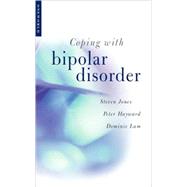
Coping with Bipolar Disorder A CBT Guide to Living with Manic Depression

by Jones, Steven; Hayward, Peter; Lam, Dominic
  • ISBN13:

    9781851682997

  • ISBN10:

    1851682996

  • Format: Paperback
  • Copyright: 2002-06-24
  • Publisher: Oneworld Publications
  • Purchase Benefits
  • Free Shipping Icon Free Shipping On Orders Over $35!
    Your order must be $35 or more to qualify for free economy shipping. Bulk sales, PO's, Marketplace items, eBooks and apparel do not qualify for this offer.
  • eCampus.com Logo Get Rewarded for Ordering Your Textbooks! Enroll Now
List Price: $16.95

Summary

A guide to coping with bipolar disorder which offers information on all theey areas, including medication, dealing with stress, and using psychologicalechniques to cope with manic depression.;"Coping with Bipolar Disorder" isesigned specifically for sufferers of bipolar disorder, their carers,riends and families. It combines definitive coverage of the condition andnformation about treatment with an approach which encourages patients toanage their own psychological health using cognitive behaviour therapy, asell as the more traditional medication regimes. The result is atraightforward book that should empower sufferers, in addition to givinghem necessary advice on such key areas as sleeping habits, coping withtress and anger, and relating to family and friends.

Author Biography

Dr. Steven Jones is Senior Leeturer in Clinical Psychology at the University of Manchester and Honorary Consultant Clinical Psychologist at Birch Hill Hospital in Rochdale, Greater Manchester Peter Hayward is a Consultant Clinical Psychologist at the South London and Maudsley NHS Trust in London, and is an Honorary Lecturer at the Institute of Psychiatry Dominie Lam is a Senior Lecturer in Clinical Psychology at the Institute of Psychiatry and an Honorary Consultant Clinical Psychologist at the South London and Maudsley NHS Trust in London

Table of Contents

Acknowledgements ix
What is bipolar disorder?
1(14)
Introduction
1(1)
How common is it?
1(1)
Symptoms of bipolar disorder
2(4)
Causes
6(4)
Course of illness
10(2)
Creativity and bipolar disorder
12(3)
Treatments for bipolar disorder - medication
15(12)
Drug treatments in general
15(3)
Mood stabilisers
18(3)
Antidepressants
21(2)
Neuroleptics
23(1)
Anti-Parkinsonian drugs
23(1)
Minor tranquillisers
24(1)
Self-monitoring and drug compliance
25(2)
Treatments for bipolar disorder -professional help
27(10)
General practitioners
27(1)
Community mental health teams
28(6)
Relationships with professionals
34(3)
Recent developments in psychological approaches to bipolar disorder
37(11)
Recent developments
37(2)
What is cognitive-behavioural therapy?
39(2)
How does cognitive-behavioural therapy work?
41(4)
Assumptions
45(3)
Early warnings
48(11)
Monitoring moods and early warning signs
48(1)
Early warning signs of mania
49(5)
Early warning signs of depression
54(5)
Helping yourself - routine, diet and relaxation
59(11)
Protective effects of routine
59(2)
Eating well and feeling well
61(2)
Why alcohol and drugs can cause problems
63(4)
Different types of relaxation
67(1)
Safe thrills
68(2)
Vicious cycles and how to deal with them
70(15)
Vicious cycles and stress
71(3)
Problem solving
74(1)
Relaxation
75(3)
Anger and anger management
78(4)
Assertiveness
82(3)
The risks of sleep loss
85(9)
The body clock
85(4)
The importance of checking your own mood
89(1)
The problem with caffeine
90(2)
Air travel and mood
92(2)
Family issues
94(11)
Family and bipolar disorder
94(1)
Involvement of family of origin
94(3)
Involvement of spouses and partners
97(3)
Dealing with family breakdown after illness and rebuilding relationships
100(2)
Support for families and partners
102(3)
Feeling bad about one's illness - guilt, shame and stigma
105(12)
Stigma
105(5)
Anger and loss
110(2)
Guilt
112(5)
Survival issues
117(10)
Money
118(2)
Housing issues
120(2)
Sexual behavior
122(2)
Social support and self-help
124(1)
Relating to professionals - active helping
125(2)
Your rights and how to protect them
127(10)
The Mental Health Act
128(2)
Advocacy and support
130(2)
Disability and discrimination
132(2)
Driving
134(1)
Self-help groups
134(3)
A final note 137(1)
Appendix A: Useful addresses and further reading 138(7)
Useful addresses
138(5)
Further reading
143(2)
Appendix B: Deep muscle relaxation 145(6)
Index 151

Supplemental Materials

What is included with this book?

The New copy of this book will include any supplemental materials advertised. Please check the title of the book to determine if it should include any access cards, study guides, lab manuals, CDs, etc.

The Used, Rental and eBook copies of this book are not guaranteed to include any supplemental materials. Typically, only the book itself is included. This is true even if the title states it includes any access cards, study guides, lab manuals, CDs, etc.

Rewards Program