
rent-now

Rent More, Save More! Use code: ECRENTAL

5% off 1 book, 7% off 2 books, 10% off 3+ books

9780521192651

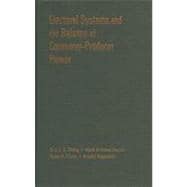
Electoral Systems and the Balance of Consumer-Producer Power

by Eric C. C. Chang , Mark Andreas Kayser , Drew A. Linzer , Ronald Rogowski
  • ISBN13:

    9780521192651

  • ISBN10:

    052119265X

  • eBook ISBN(s):

    9780511855535

  • Format: Hardcover
  • Copyright: 2010-11-22
  • Publisher: Cambridge University Press

Note: Supplemental materials are not guaranteed with Rental or Used book purchases.

Purchase Benefits

  • Free Shipping Icon Free Shipping On Orders Over $35!
    Your order must be $35 or more to qualify for free economy shipping. Bulk sales, PO's, Marketplace items, eBooks and apparel do not qualify for this offer.
  • eCampus.com Logo Get Rewarded for Ordering Your Textbooks! Enroll Now
List Price: $112.00 Save up to $88.96
  • Rent Book $84.00
    Add to Cart Free Shipping Icon Free Shipping

    TERM
    PRICE
    DUE
    SPECIAL ORDER: 1-2 WEEKS
    *This item is part of an exclusive publisher rental program and requires an additional convenience fee. This fee will be reflected in the shopping cart.

How To: Textbook Rental

Looking to rent a book? Rent Electoral Systems and the Balance of Consumer-Producer Power [ISBN: 9780521192651] for the semester, quarter, and short term or search our site for other textbooks by Eric C. C. Chang , Mark Andreas Kayser , Drew A. Linzer , Ronald Rogowski. Renting a textbook can save you up to 90% from the cost of buying.

Summary

This book investigates the effects of electoral systems on the relative legislative and, hence, regulatory influence of competing interests in society. Building on Ronald Rogowski and Mark Andreas Kayser's extension of the classic StiglerPeltzman model of regulation, the authors demonstrate that majoritarian electoral arrangements should empower consumers relative to producers. Employing real price levels as a proxy for consumer power, the book rigorously establishes this proposition over time, within the OECD, and across a large sample of developing countries. Majoritarian electoral arrangements depress real prices by approximately ten percent, all else equal. The authors carefully construct and test their argument and broaden it to consider the overall welfare effects of electoral system design and the incentives of actors in the choice of electoral institutions.

Table of Contents

Introduction
Electoral systems and consumer power: theoretical considerations
Electoral systems and real prices: panel evidence for the OECD countries
Electoral systems and real prices around the world
A closer look: case studies and mechanisms
Socio-economic origins of electoral systems
Discussion and conclusion
Table of Contents provided by Publisher. All Rights Reserved.

Supplemental Materials

What is included with this book?

The New copy of this book will include any supplemental materials advertised. Please check the title of the book to determine if it should include any access cards, study guides, lab manuals, CDs, etc.

The Used, Rental and eBook copies of this book are not guaranteed to include any supplemental materials. Typically, only the book itself is included. This is true even if the title states it includes any access cards, study guides, lab manuals, CDs, etc.

Rewards Program