 Top
Top
Note: Supplemental materials are not guaranteed with Rental or Used book purchases.
Purchase Benefits
 Free Shipping On Orders Over $35!
 Get Rewarded for Ordering Your Textbooks! Enroll Now
 Customer Reviews Read Reviews
 Write a Review
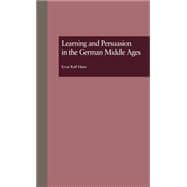
Looking to rent a book? Rent Learning and Persuasion in the German Middle Ages: The Call to Judgment [ISBN: 9780815321828] for the semester, quarter, and short term or search our site for other textbooks by Ralf Hintz,Ernst. Renting a textbook can save you up to 90% from the cost of buying.
| Acknowledgments | ix | (2) | |||
| Preface | xi | ||||
|
3 | (40) | |||
|
43 | (36) | |||
|
79 | (24) | |||
|
103 | (36) | |||
|
139 | (42) | |||
| Conclusion | 181 | (4) | |||
| Bibliography | 185 | (14) | |||
| Index | 199 |
The New copy of this book will include any supplemental materials advertised. Please check the title of the book to determine if it should include any access cards, study guides, lab manuals, CDs, etc.
The Used, Rental and eBook copies of this book are not guaranteed to include any supplemental materials. Typically, only the book itself is included. This is true even if the title states it includes any access cards, study guides, lab manuals, CDs, etc.


Need Help? Copyright © 1999-2025