

rent-now

Rent More, Save More! Use code: ECRENTAL

5% off 1 book, 7% off 2 books, 10% off 3+ books

9780415970686

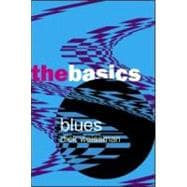
Blues: The Basics

by Weissman; Dick
  • ISBN13:

    9780415970686

  • ISBN10:

    0415970687

  • eBook ISBN(s):

    9781135877118

  • Format: Paperback
  • Copyright: 2004-10-26
  • Publisher: Routledge

Note: Supplemental materials are not guaranteed with Rental or Used book purchases.

Purchase Benefits

  • Free Shipping Icon Free Shipping On Orders Over $35!
    Your order must be $35 or more to qualify for free economy shipping. Bulk sales, PO's, Marketplace items, eBooks and apparel do not qualify for this offer.
  • eCampus.com Logo Get Rewarded for Ordering Your Textbooks! Enroll Now
List Price: $28.99 Save up to $16.92
  • Rent Book $14.50
    Add to Cart Free Shipping Icon Free Shipping

    TERM
    PRICE
    DUE
    IN STOCK USUALLY SHIPS WITHIN 24-48 HOURS.
    *This item is part of an exclusive publisher rental program and requires an additional convenience fee. This fee will be reflected in the shopping cart.

How To: Textbook Rental

Looking to rent a book? Rent Blues: The Basics [ISBN: 9780415970686] for the semester, quarter, and short term or search our site for other textbooks by Weissman; Dick. Renting a textbook can save you up to 90% from the cost of buying.

About This Book

Blues: The Basics by Dick Weissman is a comprehensive and engaging introduction to the rich history of the blues. This book has been a go-to resource for students and music enthusiasts alike, offering a concise and chronological exploration of the major eras in the growth and development of this iconic musical style.

Who Uses It?

Primarily, Blues: The Basics is used by students and instructors in music history and appreciation courses, as well as by anyone interested in understanding the evolution of the blues. It's also a valuable resource for musicians, musicologists, and anyone looking to delve deeper into the world of blues music.

History and Editions

First published on October 26, 2004, Blues: The Basics has been a cornerstone in educational resources for over two decades. The book has remained relevant through its detailed coverage of key artists, recordings, and historical periods in the blues genre. This edition includes timelines and suggestions for further investigation, making it an ideal starting point for those new to the blues.

Author and Other Works

Dick Weissman is a renowned author in the field of music education. His engaging writing style and ability to break down complex musical concepts into accessible information have made him a favorite among students and educators. While Blues: The Basics is his most notable work in this field, Dick Weissman has also contributed to other educational resources, ensuring that his expertise in music history and appreciation remains unparalleled.

Key Features

  • Comprehensive Coverage: The book offers a detailed introduction to a century of the blues, covering major genres, key artists, and significant recordings.
  • Chronological Organization: Organized chronologically, it focuses on the major eras in the growth and development of the blues.
  • Timelines and Further Investigation: Complete with timelines and suggestions for further investigation, this book is ideal for students and interested listeners.
  • Engaging Overview: A fascinating overview that provides a solid foundation for understanding the evolution of blues music.

Detailed Information

ISBNs and Formats

  • Hardcover: ISBN-13: 9780415970686
  • Paperback: ISBN-10: 0415970687, ISBN-13: 9780415970686
  • eBook: Available through various digital platforms

Publication Details

  • Publisher: Taylor & Francis
  • Publication Date: October 26, 2004
  • Number of Pages: 216
  • Language: English
  • Dimensions: 5.06 x 7.81 x (d)

Other Editions and Formats

While there are no additional editions or formats listed for this specific ISBN, it is available in various formats including hardcover, paperback, and eBook. The following ISBNs are associated with different formats of the book:

  • Hardcover: 9780415970686
  • Paperback: 0415970687 (ISBN-10), 9780415970686 (ISBN-13)
  • eBook: Available through digital platforms like Barnes & Noble and other e-book retailers.

This detailed information section provides a quick reference for all the available formats and sources for Blues: The Basics, making it easier to find and access the book in the preferred format.

Author Biography

Dick Weissman is Emeritus Professor of Music and Music Industry Studies at the University of Colorado at Denver

Table of Contents

Introduction 1(3)
Some Caveats
4(1)
The Roots of The Blues: 1619--1919
5(23)
Timeline: 1619--1919
5(1)
History and Origins of the Blues
6(3)
African Musical Traits in African American Music
9(1)
African American Spirituals
10(3)
Early Black Secular Music
13(1)
The Minstrel Show
14(3)
The Early Blues
17(4)
Social Conditions at the Birth of the Blues: 1870s--1900
17(1)
The Blues: 1890--1920
18(2)
Subject Matter
20(1)
Ragtime and Early Jazz
21(2)
Blues Structure
23(2)
Learning to Play or Sing the Blues
25(2)
Summary
27(1)
The 1920s: Documented Beginnings of the Classic and Rural Blues
28(16)
Timeline: The 1920s
28(2)
Ma Rainey and Her Influence on the Blues
30(3)
Bessie Smith: Empress of the Blues
33(4)
The Recordings and Importance of Bessie Smith
35(2)
He Done Me Wrong: Classic Blues Subjects
37(2)
Other Blues Women of the 1920s
39(3)
Women and the Folk Blues
42(1)
Jazz Influences on the Blues
43(1)
Summary
43(1)
The Folk Blues: 1920--1940
44(38)
Timeline: 1920--1940
44(1)
African American Musical Styles
44(1)
Why the Classic Blues Were Recorded Before the Folk Blues
45(2)
Blind Lemon Jefferson
47(3)
The Jug Bands
50(2)
Delta Blues
52(19)
Charley Patton
52(2)
Robert Johnson: His Life, the Music, the Controversies, and the Legend
54(15)
The Impact of Robert Johnson
69(1)
Other Mississippi Artists
70(1)
Piedmont and Other Regional Styles
71(2)
Leadbelly and Lonnie Johnson
73(1)
Mr. Charley's Blues: White Blues Performers
74(3)
Holy Blues
77(1)
The Role of Individual Instruments
77(3)
Memphis Minnie: Women and the Folk Blues
80(1)
Summary
81(1)
Rhythm and Blues and the Beginning of Electric Blues: 1940-1960
82(18)
Timeline: 1940--1960
82(1)
Chicago Blues: 1935--1950
83(3)
Rhythm and Blues
86(2)
The Blues Go Electric: T-Bone Walker
86(2)
Muddy Waters and the Chicago Delta Sound
88(1)
John Lee Hooker and B.B. King
89(1)
The Record Business in Postwar America
90(3)
Rhythm and Blues vs. the Blues
93(1)
Texas Goes to California: The LA R&B scene
94(1)
New York and the Doo-wop Groups
95(1)
New Orleans
96(1)
Rock and Roll and the Blues: 1954--1960
97(2)
Summary
99(1)
The Blues Revival: 1960--1980
100(30)
Timeline: 1960--1980
100(1)
The Folk Revival
101(12)
The Strange Career of Josh White
102(1)
Blues Scholarship and Rediscovered Blues Singers
103(2)
Protest Music and the Blues
105(3)
The Young, White Blues Singers
108(3)
The New Independent Record Labels
111(1)
Why the Blues Became Popular?
112(1)
The Blues Goes Abroad
113(3)
American Blues-Rock Bands
116(1)
Jimi Hendrix
117(1)
Black Gospel Music
117(1)
Soul Music
118(2)
Building a New Blues Audience
120(1)
Louisiana Blues: The Sound of the Swamp
121(1)
The Blues Roll on in Chicago
122(2)
B.B. King's Career and Influence
124(1)
Blues Music Economics
125(4)
Artistic Control
128(1)
Summary
129(1)
The New Generation of Blues Artists: 1980--Today
130(61)
Timeline: 1980--2003
130(1)
The Late 1970s: The Blues Hiatus
130(1)
Bonnie Raitt
131(1)
Stevie Ray Vaughan and the Austin Blues Scene
132(1)
Independent Labels Fill the Void
133(1)
The Return of Robert Johnson
134(1)
The Emergence of Young, Black Blues Artists
135(2)
Blacks, Whites, and the Blues
137(2)
Women of the Blues
139(1)
The Young Turks: The Blues Rockers
140(1)
Zydeco
141(1)
Regional Music
142(1)
The International Blues
142(1)
Current Outlets for the Blues
142(1)
The Martin Scorsese Blues Series
143(2)
Feel Like Going Home (d. Martin Scorsese; written by Peter Guralnick)
145(1)
The Soul of a Man (d. and written by Wim Wenders)
146(2)
The Road to Memphis (d. Richard Pierce; written by Robert Gordon)
148(2)
Warming by the Devil's Fire (d. and written by Charles Burnett)
150(1)
Godfathers and Sons (d. Mark Levin)
151(1)
Red, White and Blues (d. Mike Figgis)
152(2)
Piano Blues (d. Clint Eastwood)
154(1)
Summary
155(2)
Appendix
Note
157(1)
Bibliography
157(14)
Social Histories
157(1)
The Blues and Africa
158(1)
The Minstrel Period
158(1)
Ragtime
158(1)
Social and Musical Background of the Blues
159(2)
Classic Blues
161(1)
Black Country Blues
162(1)
Gospel and Holy Blues
163(1)
Urban Blues, Rockabilly, Rock Blues, the Folk and Blues Revivals, British Blues
163(1)
Protest Music
164(1)
R&B and Soul
164(1)
Cajun, Zydeco, and Swamp Pop
165(1)
The Blues Today
165(1)
Biographies and Autobiographies
165(2)
Collections of Lyrics
167(1)
Songbooks (Words and Music)
168(1)
Record Companies and the Music Business
168(1)
Miscellaenous: Record Guides, Regional Blues, etc.
169(2)
Discography
171(15)
Boxed Sets
171(1)
Black Secular Music Before the Blues
172(2)
Classic Blues Singers: Women of the 1920s
174(1)
Holy Blues
174(1)
Jug Bands
175(1)
Piedmont Blues
175(1)
Mississippi Delta Blues
176(1)
Texas Blues
177(1)
Songsters
177(1)
White Country Blues
177(1)
Urban Blues of the 1930s
178(1)
Various Instruments
179(1)
Social Protest and Commentary
179(1)
Chicago: Early Electric Blues
179(1)
R&B and Soul
180(2)
Chicago: Classic Electric Blues
182(1)
White American and the British Blues Revivalists
182(2)
Rock and Roll
184(1)
Cajun, Zydeco, and Louisiana Swamp Rock
184(1)
The New Black Blues Artists
184(1)
Young Guns
185(1)
Beyond Category
185(1)
Instructional Materials and Videos
186(5)
Books
186(2)
Audio and Visual Materials
188(1)
Performance and Documentary Videos
188(3)
Index 191

Supplemental Materials

What is included with this book?

The New copy of this book will include any supplemental materials advertised. Please check the title of the book to determine if it should include any access cards, study guides, lab manuals, CDs, etc.

The Used, Rental and eBook copies of this book are not guaranteed to include any supplemental materials. Typically, only the book itself is included. This is true even if the title states it includes any access cards, study guides, lab manuals, CDs, etc.

Rewards Program