
rent-now

Rent More, Save More! Use code: ECRENTAL

5% off 1 book, 7% off 2 books, 10% off 3+ books

9780471447535

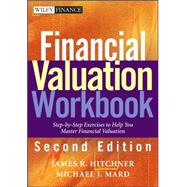
Financial Valuation: Applications and Models, Textbook and Workbook

by James R. Hitchner (  )
  • ISBN13:

    9780471447535

  • ISBN10:

    0471447536

  • Edition: Packaged
  • Format: Hardcover
  • Copyright: 2003-04-01
  • Publisher: WILEY
  • Purchase Benefits
  • Free Shipping Icon Free Shipping On Orders Over $35!
    Your order must be $35 or more to qualify for free economy shipping. Bulk sales, PO's, Marketplace items, eBooks and apparel do not qualify for this offer.
  • eCampus.com Logo Get Rewarded for Ordering Your Textbooks! Enroll Now
List Price: $134.95
We're Sorry.
No Options Available at This Time.

Summary

The appropriate, defensible way to prepare and present business valuations, with a strong emphasis on applications and modelsFinancial Valuation provides an all-encompassing valuation tome that presents the application of financial valuation theory in an easily understood manner. Delivering valuation theory, the consensus view on application, and the tools to make it happen, James Hitchner's all-star cast of contributors offer numerous examples, checklists, and models to assist in navigating a valuation project. The book contains hundreds of short, easily understandable "Valuation Tips," and covers best practices from the view of these twenty-five experts.

Table of Contents

About the Editor xiii
About the Authors xiv
Acknowledgments xxii
Preface xxiv
Introduction to Financial Valuation
1(17)
Who Values Businesses?
1(1)
Purpose of a Valuation
2(1)
Professional Valuation Organizations
3(1)
Standards of Value
3(1)
Fair Market Value
3(2)
Investment Value
5(1)
Intrinsic Value
5(1)
Fair Value (State Rights)
5(1)
Fair Value (Financial Reporting)
6(1)
Premise of Value
6(1)
Principles of Appraisal Practice
7(1)
Dates
7(1)
Approaches to Value
7(1)
Valuation Procedures
8(1)
Summary
8(2)
Addendum
10(8)
Research and Its Presentation
18(31)
Obtaining Internal Information
18(1)
A Directive from the Internal Revenue Service
18(2)
Research Techniques and Planning the Search
20(4)
Information Sources: Business Financial Databases
24(1)
Economic Research
25(1)
Selected Sources of Economic Information
25(2)
Industry Research
27(1)
Selected Sources of Industry Information
27(1)
Guideline Company and Transaction Research
28(2)
Presenting Research in a Report
30(1)
Other Sources of Information
31(1)
Summary
31(2)
Addendum 1---Valuation Information Request List
33(4)
Addendum 2---Management Questionnaire
37(11)
Addendum 3---Industry Research Form
48(1)
Financial Statement and Company Risk Analysis
49(36)
Historical Financial Statement Analysis
49(1)
Length of Financial History to Be Used
50(1)
Spreading Financial Statements in Columnar Format
50(1)
Adjustments to Financial Statements
50(3)
Normalization of Historical Financial Statements
53(1)
Unusual, Nonrecurring, and Extraordinary Items
53(1)
Nonoperating Items
54(1)
Changes in Accounting Principle
54(1)
Nonconformance with GAAP
55(1)
Tax Effecting the Earnings of Subchapter S Corporations
55(2)
Degree of Ownership Interest
57(1)
Normalization Adjustments
58(1)
Common Sizing Normalized Financial Statements
58(4)
Ratio Analysis (Quantitative Analysis)
62(7)
Comparative Analysis
69(3)
Risk Analysis (Qualitative Analysis)
72(4)
Macroenvironmental Analysis
76(2)
Appendix---Commonly Used Financial Ratios Application to Ale's Distributing
78(7)
Income Approach
85(41)
Fundamental Theory
85(1)
Income Approach Involves a Numerator
86(1)
Income Approach Involves a Denominator
86(1)
Income Approach Methodologies
87(1)
Normalization Process
87(1)
Adjustments for Ownership Characteristics
88(2)
Adjustments for GAAP Departures, Extraordinary, Nonrecurring, and/or Unusual Items
90(1)
Adjustments for Nonoperating Assets and Liabilities and Related Income and Expenses
91(1)
Adjustments for Taxes
92(1)
Adjustments for Synergies from Mergers and Acquisitions
93(1)
Determination of Future Benefit Stream (Cash Flows)
94(1)
Defining the Benefit Stream
94(1)
Defining Net Cash Flow
95(1)
Use of Historical Information
96(5)
Discounted Cash Flow Method
101(8)
Terminal Value
109(5)
Capitalized Cash Flow Method
114(2)
Excess Cash Flow Method
116(9)
Conclusion
125(1)
Cost of Capital/Rates of Return
126(58)
Three Variables
126(1)
Characteristics of Cost of Capital
127(1)
Investor Expectations as Quantified by the Cost of Capital
127(1)
Cost of Capital Equals Discount Rate
128(1)
Cost-of-Capital Methods
128(1)
More on the Basic Concepts
128(1)
Discount Rate, Capitalization Rate, and Anticipated Growth
129(1)
Growth
129(5)
Relationship Between Risk and Cost of Capital
134(3)
Types of Risk---Another View
137(1)
Risks in a Small Business
138(1)
Methods for Developing Cost of Capital
139(2)
Size Premiums
141(4)
Methods of Articulate Unsystematic Risk
145(5)
Other Issues
150(1)
Capital Asset Pricing Model Method
151(5)
Development of the Weighted Average Cost of Capital
156(3)
Price/Earnings Method
159(2)
Adjustments to the Price/Earnings Ratio
161(2)
Arbitrage Pricing Theory
163(2)
Build-Up Summation Model
165(1)
Cost-of-Capital Issues Related to Use of the Excess Cash Flow Method
166(2)
Addendum
168(16)
Market Approach
184(48)
Overview
184(1)
Type of Value Obtained
185(1)
Advantages and Disadvantages of the Market Approach
186(1)
Basic Implementation
187(1)
Sources and Characteristics of Guideline Company Data
188(1)
Information Sources
188(1)
Advantages and Disadvantages of the Guideline Company Transaction Method
189(1)
Publicly Traded Companies
190(2)
Information Sources for Industry ``COMPS''
192(1)
Stock Prices and Number of Shares Outstanding
192(1)
Advantages/Disadvantages of Public Company Data
193(1)
Characteristics of Publicly Traded Companies
193(4)
Choosing Guideline Companies
197(3)
Financial and Other Indicators
200(3)
Sample Size Matters
203(1)
Comparable Companies Information Dates
203(1)
Basic Financial Indicators
203(1)
Displaying the Information
204(5)
Adjustments to the Guideline and Subject Companies
209(1)
Income Adjustments
209(2)
Balance Sheet Adjustments
211(2)
Effects of Adjustments on Value
213(1)
Concluding Remarks on Choosing Comparables
213(1)
Calculating Standard Pricing Multiples
214(1)
Equity versus Invested Capital
214(2)
Financial Statement Measures
216(2)
Computation of Multiples
218(1)
Matching Price to Parameter
219(1)
Dispersion of Pricing Multiples
219(2)
Applying the Valuation Multiples
221(2)
Concluding Thoughts on Value
223(1)
Using the Pricing Multiples for Growth
223(4)
Adjusting the Guideline Multiples for Size
227(3)
Summary
230(2)
Asset Approach
232(40)
Fundamental Theory
232(1)
Applicability
233(2)
Premise of Value
235(1)
Control versus Minority
235(1)
Built-In Gains
236(1)
General Steps in the Asset Approach
236(1)
Valuation of Individual Assets and Liabilities Example
237(6)
Liabilities
243(1)
Unrecorded Assets and Liabilities
244(1)
Built-In Gain
244(3)
Conclusion
247(1)
Addendum 1---Understanding Real Estate Appraisals
248(11)
Addendum 2---Understanding Machinery and Equipment Appraisals
259(11)
Addendum 3---Revenue Procedure 77-12
270(2)
Valuation Discounts and Premiums
272(70)
Levels of Value
272(3)
Classifying Discounts
275(2)
Discounts for Lack of Control and Control Premiums
277(8)
Discounts for Lack of Marketability
285(2)
Empirical Evidence of Marketability Discounts
287(24)
Quantitative Tools
311(5)
Other Discounts
316(7)
Discounts and Premiums Summary
323(1)
Addendum---Tax Court Cases (The Oldies but Goodies)
324(18)
Report Writing
342(81)
USPAP Engagements
342(2)
Types of Valuation Engagements and Related Reports
344(1)
Complete Valuation Report
344(8)
Other Business Valuation Reports
352(1)
Sample Report
353(1)
Addendum---Sample Valuation Report, Valuation of the Common Stock of Acme Measurement Devices Inc. as of May 31, 2000
354(69)
Business Valuation Standards
423(23)
History of Valuation Standards
423(1)
Government Action
424(1)
Organization of the USPAP Standards
425(1)
Business Valuation Standards
425(6)
Other Business Valuation Standards and Credentials
431(3)
Summary
434(1)
Addendum---Internal Revenue Service Business Valuation Guidelines
435(11)
Estate, Gift, and Income Tax Valuations
446(56)
Valuations in Estate and Gift Taxes
446(2)
Selected Treasury Regulations
448(3)
Selected Revenue Rulings
451(15)
Revenue Ruling 77-287
466(9)
Revenue Ruling 83-120
475(5)
Revenue Ruling 93-12
480(3)
Valuations for Income Taxes
483(1)
Charitable Contributions of Property
484(1)
Conversion of Property
485(2)
Addendum---Valuation Checklists/Ready Reference (Revenue Rulings 59-60, 77-287, and 93-12)
487(15)
Valuation of Family Limited Partnerships
502(38)
Family Limited Partnership Uses
502(1)
Tax Advantages
503(1)
How Family Limited Partnerships Are Formed
504(1)
Other Characteristics of Family Limited Partnerships
505(1)
State Law, Property Rights, and Their Importance to the Valuation Process
505(2)
Improper Formation Can Create Problems for Partners
507(1)
Valuation of Family Limited Partnership Interests
508(24)
Illustrative Case Study
532(8)
Summary of Court Cases Issues
540(37)
Tax Cases
540(33)
Civil Cases
573(4)
Shareholder Disputes
577(16)
History of Shareholder Disputes
577(1)
Causes of Action
578(1)
Standard of Value
579(3)
Valuation Date
582(1)
Entire Fairness
583(1)
Valuation Methodology
584(2)
Valuation Adjustments
586(3)
Court Case Caveats
589(1)
Conclusion
590(1)
Appendix
591(2)
Valuation Issues in Employee Stock Ownership Plans
593(22)
Need for Valuation Services
594(1)
Securities Laws and ESOPs
595(1)
How ESOPs Are Used
596(1)
Differences in Entity Structure
596(2)
Adequate Consideration: How and Why It Works
598(1)
Put Rights of Terminating Plan Participants
598(2)
ESOPs and Plan Contributions
600(1)
ESOPs that Include Debt
601(1)
General Considerations for ESOP Loans
602(2)
Accounting Standards and ESOPs with Debt
604(3)
Value for ESOP Shares
607(5)
Writing a Valuation Conclusion
612(1)
Information Sources
613(2)
Valuation in the Divorce Setting
615(18)
Standards of Value in Divorce
615(2)
Premise of Value---Going Concern
617(1)
Premise of Value---Liquidation
617(1)
Goodwill---The Battleground for Divorce Valuations
618(1)
Defining Goodwill
618(1)
State Interpretations on Including Goodwill in the Marital Estate
618(1)
Personal versus Entity Goodwill
619(1)
Dividing Goodwill into Personal and Entity Components
620(2)
Applying the Factors to Separate Goodwill
622(3)
Role of Noncompete Agreements in Determining Personal versus Entity Goodwill
625(1)
Personal Goodwill in Commercial Businesses
626(1)
Restrictions on Data
627(1)
Ranges versus Specificity
627(1)
Professional Standards in a Divorce Settlement
627(1)
Role of the USPAP
627(1)
AICPA Standards
628(1)
Other Standards
628(1)
Daubert Challenges in Divorce
628(1)
Valuation Methodology and the Application of Discounts in Divorce Valuations
629(1)
Avoid Double Counting
629(1)
When an Interest Is Considered Control in a Divorce Setting
629(1)
Family Aggregations in Divorce Settings
630(1)
Partnerships, LLCs, LLPs, and Family Entities in a Divorce Setting
630(1)
Liquidity Myth in Pass-Through Entity
631(1)
Divorce Valuation and Bankruptcy
631(1)
Summary
632(1)
Valuation Issues in Small Businesses
633(13)
What Is a Small Business?
633(2)
Financial Statement Adjustments
635(3)
Qualitative Factors Affecting Value
638(1)
Valuation Methods
639(5)
Reasonableness Tests
644(1)
Summary
645(1)
Valuation Issues in Professional Practices
646(31)
Types of Practices
647(2)
Purpose of Valuation
649(1)
Professional Goodwill and Practice Goodwill
649(2)
Select Case Law for Marital Dissolution
651(3)
Factors Affecting Value
654(4)
Financial Statement Adjustments
658(3)
Valuation Methods
661(4)
Summary
665(2)
Appendix 1---Management Interview Medical Practice
667(4)
Appendix 2---Management Interview Law Practice
671(3)
Appendix 3---Management Interview Accounting Practice
674(3)
Valuation of Healthcare Service Businesses
677(72)
Industry Background and Transition
679(1)
Healthcare Industry's Unique Attributes
680(11)
Overview of Considerations for Valuing Healthcare Entities
691(1)
Valuation Process
692(4)
Income Approach Discounted Cash Flow Method: Developing a Discount Rate
696(3)
Minority Discounts
699(1)
Discounts for Lack of Marketability
700(1)
Key Person Discount
700(2)
Valuation Issues for Specific Healthcare Industry Niches
702(9)
Publicly Traded Healthcare Services Companies by Niche
711(3)
Addendum 1---Tara Surgery Center, L.P.
714(20)
Addendum 2---Valuation of Ashley Hospital
734(15)
Valuation of Intangible Assets
749(72)
What Are Intangible Assets?
751(1)
Why Are Intangible Assets So Difficult to Measure?
752(1)
Nature of Intangible Assets
753(1)
Identification and Classification of Intangible Assets
753(1)
Measurement of Intangible Assets
754(1)
Fair Value
755(1)
SFAS No. 141, Business Combinations
756(1)
SFAS No. 142, Goodwill and Other Intangible Assets
757(2)
Nature of Goodwill
759(1)
Goodwill, Indefinite-Lived Intangible Assets, and the Impairment Test
760(3)
Transition: Previously Recognized Goodwill
763(1)
Financial Reporting Disclosures under SFAS Nos. 141 and 142
764(1)
In-Process Research and Development
765(5)
Tax Effects
770(1)
Transfer Pricing
770(2)
Returns on and of Contributory Assets
772(1)
Discount Rate Considerations for Intangible Assets
773(1)
Case Study: Determining Goodwill and Other Intangible Assets in a Business Combination
774(14)
Valuation of Intangible Assets
788(6)
Assembled Workforce
794(5)
Trade Name
799(1)
Noncompete Agreement
800(10)
In-Process Research and Development
810(3)
Valuation of Goodwill
813(1)
Allocation of Purchase Price
814(3)
Appendix---Intellectual Property
817(4)
Marketing, Managing, and Making Money in a Valuation Services Group
821(13)
Purpose and Overview
821(1)
What Good Economics Looks Like
821(3)
Operational Keys for Good Economics
824(2)
Key Engagement Principles
826(1)
Engagement Acceptance Process
827(1)
Fees, Retainers, Billing, and Collection
828(2)
Engagement Control
830(1)
Litigation Services Engagements
831(2)
Conclusion
833(1)
Business (Commercial) Damages
834(16)
Role of the Law and Financial Experts
834(1)
Legal Principles Governing Damages
835(1)
Daubert and Admissibility of Expert Opinions
836(1)
Measure of Damages: Diminution of Value or Lost Profits
837(2)
Differences Between Damage Computations and Business Valuations
839(9)
Can Business Damages Exceed the Fair Market Value of the Business?
848(1)
Conclusion
849(1)
Other Valuation Services Areas
850(105)
Valuation Issues in Mergers and Acquisitions
850(11)
Valuations for Public Companies and/or Financial Reporting
861(6)
Valuation Issues in Buy-Sell Agreements
867(8)
Valuation Issues in Pass-Through Entities
875(10)
Valuing Debt
885(5)
Valuation Issues in Preferred Stock
890(7)
Restricted Stock Valuation
897(12)
Valuation of Early-Stage Technology Companies
909(8)
Valuation Issues Related to Stock Options
917(19)
Real Option Valuations
936(5)
Maximizing Shareholder Value
941(14)
Valuation Views and Controversial Issues: An Illustration
955(44)
The Report
955(2)
Introduction
957(6)
National Economic Outlook
963(2)
Regional Economic Data (as of December 8, 1999)
965(2)
Local Economy
967(1)
Industry Outlook
967(1)
Financial Analysis of the Company
968(9)
Appraisal of Fair Market Value
977(19)
Lack of Marketability Discount
996(1)
Correlation of Values
997(1)
Total Conclusion of Value on a Nonmarketable, Control Basis
998(1)
Index 999

Supplemental Materials

What is included with this book?

The New copy of this book will include any supplemental materials advertised. Please check the title of the book to determine if it should include any access cards, study guides, lab manuals, CDs, etc.

The Used, Rental and eBook copies of this book are not guaranteed to include any supplemental materials. Typically, only the book itself is included. This is true even if the title states it includes any access cards, study guides, lab manuals, CDs, etc.

Rewards Program